 farabi
Consultancy · 2020
Neuromorphic Computing
Early-stage programme leadership for a neuromorphic-computing startup, building grant governance, funding processes and a delivery path for energy-efficient AI architecture.
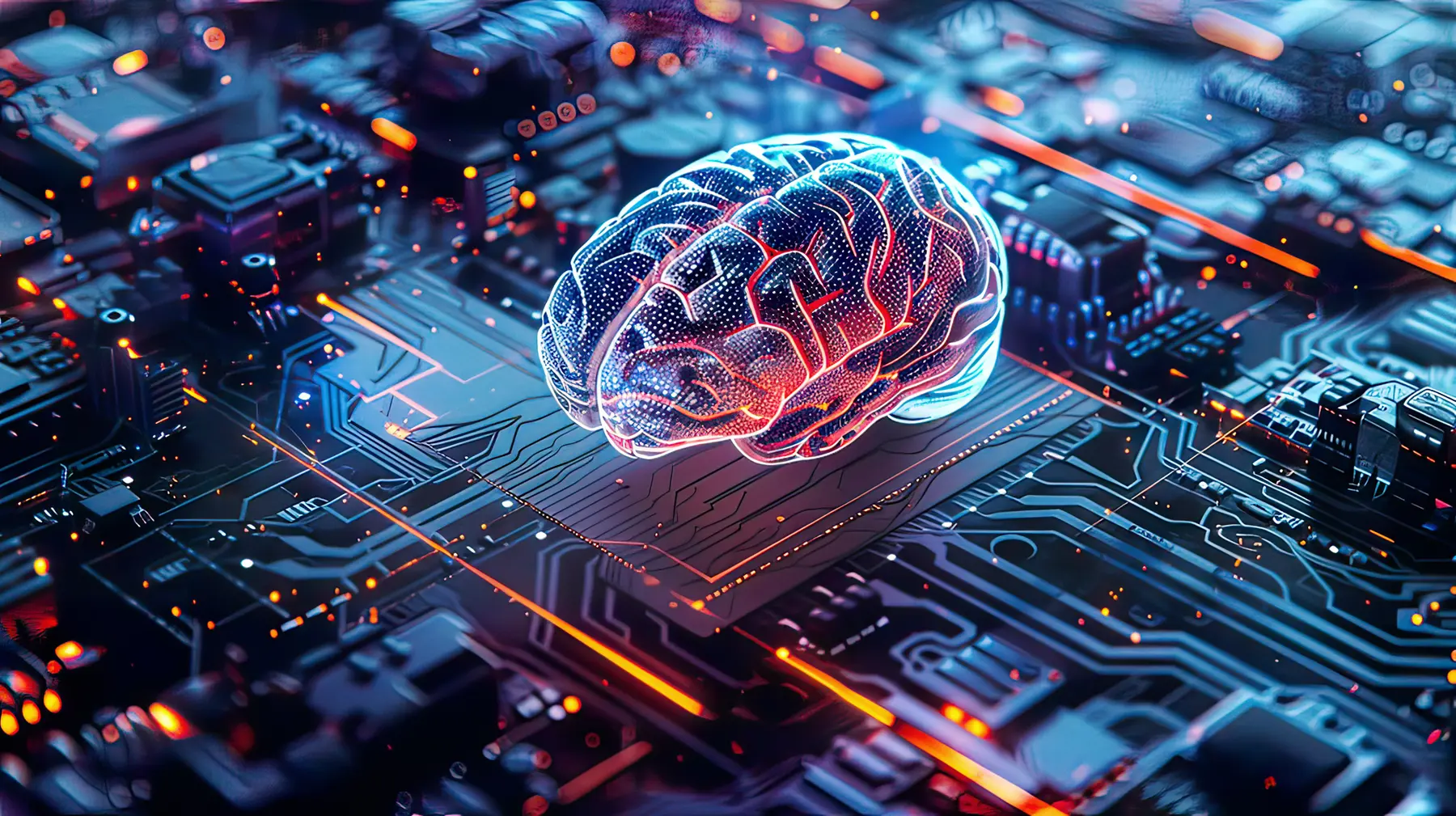
Neuromorphic Computing
In 2020, Farabi joined an early-stage neuromorphic-computing startup on a short-term contract. His role combined leadership, project management and early operational design: helping the team turn research ideas for brain-inspired artificial-intelligence hardware into coherent business plans and development programmes.
The engagement began while the company was still shaping its architecture, people and funding strategy. Farabi worked with the team to prioritise ideas, define responsibilities and establish the management foundations needed to move from technical ambition to an investable programme.
Turning ideas into a fundable programme
Farabi designed a streamlined grants pipeline covering opportunity assessment, eligibility, evidence, budgets, work packages, internal approvals, submission and post-award governance. He also trained employees in project management, financial processes and the preparation of international grant applications, including U.S. programmes offering non-dilutive funding to early-stage companies.
The company subsequently secured funding. Just as importantly, the engagement left the team with repeatable systems for developing ideas, coordinating applications and managing the obligations that follow an award.
Why neuromorphic computing matters
Conventional computing typically separates memory from processing, which creates energy and data-movement costs. Neuromorphic approaches draw inspiration from biological neural systems and can combine memory and computation more closely, enabling event-driven and in-memory processing for particular workloads.
The technology is not a universal replacement for conventional computers, but it is a promising route towards more energy-efficient AI. By reducing unnecessary data movement and supporting more computation on-device, neuromorphic systems could lower the power required for some AI workloads and reduce reliance on energy-intensive central infrastructure.
A growing UK research landscape
Researchers at UCL, the University of Oxford and the University of Cambridge are advancing neuromorphic materials, devices and brain-inspired computing. Their work ranges from memristor-based artificial neural networks and atomically thin artificial neurons to new materials designed to combine memory and processing more efficiently.
Together, these programmes show why neuromorphic computing is becoming an important part of the UK’s energy-efficient AI landscape: a developing field with significant promise, alongside substantial research and commercialisation challenges still to solve.
From consultancy to Exponential Progress
Farabi also discusses artificial intelligence and neuromorphic computing in Exponential Progress. The book places brain-inspired hardware within a wider examination of the technologies that may reshape the next decade, and asks how promising scientific ideas can move from research into responsible, useful systems.
Editorial technology archive
Compute differently.
Use less energy.
Three sourced editorial images illustrating neuromorphic hardware, semiconductor architecture and the material foundations of energy-efficient AI. They do not depict the confidential startup engagement.
Use the arrows, swipe, or choose a frame.
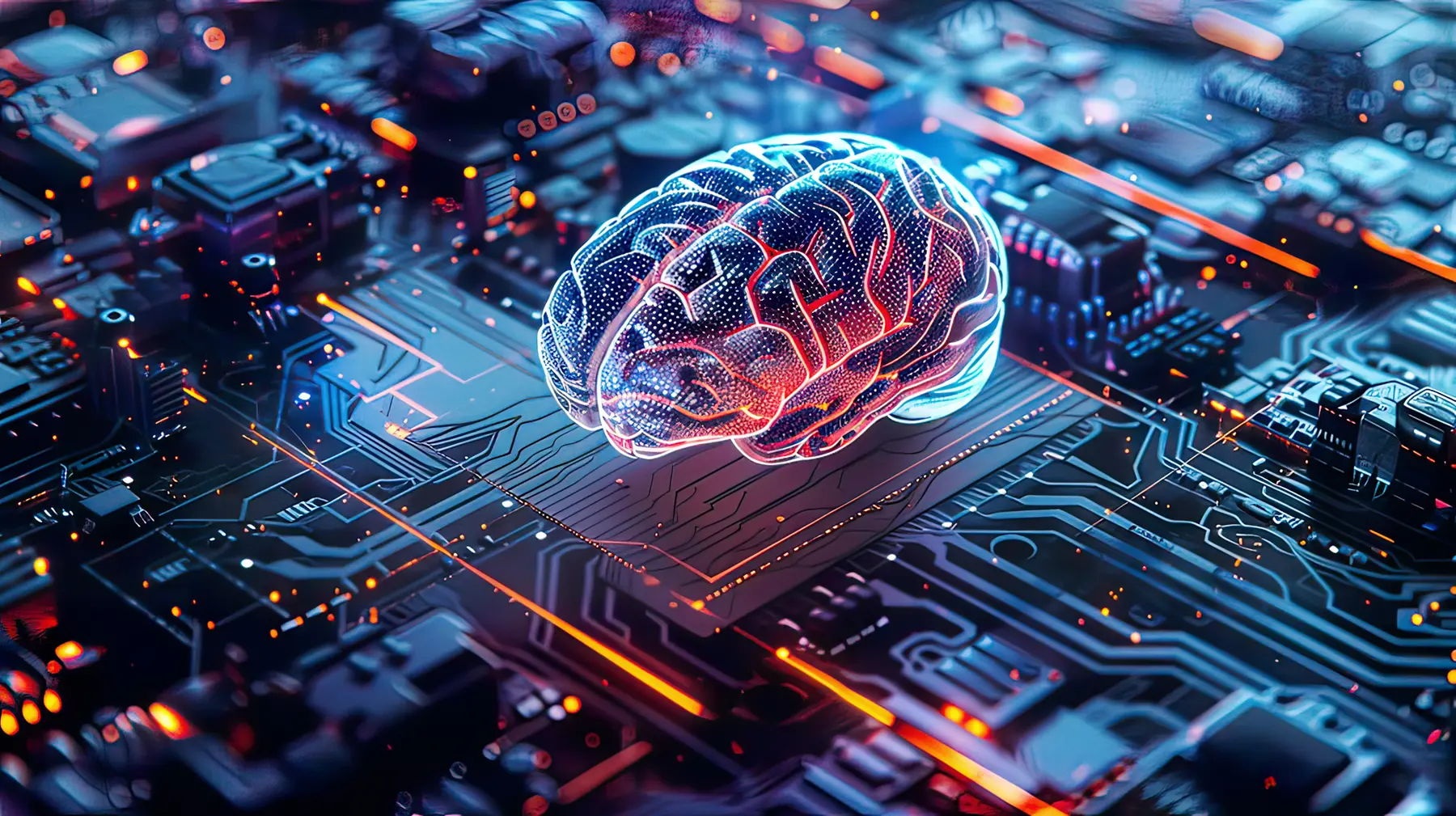
Brain-inspired AIBrain-inspired computing combines ideas from neuroscience, materials and hardware architecture · Fraunhofer IPMS
Image 1 of 3: Brain-inspired computing combines ideas from neuroscience, materials and hardware architecture · Fraunhofer IPMS