 farabi
Consultancy · Major motion picture
Science in Hollywood
Science advisory for a major Hollywood book adaptation, translating scientifically significant ideas, maps and systems from source material into a credible feature-film screenplay.
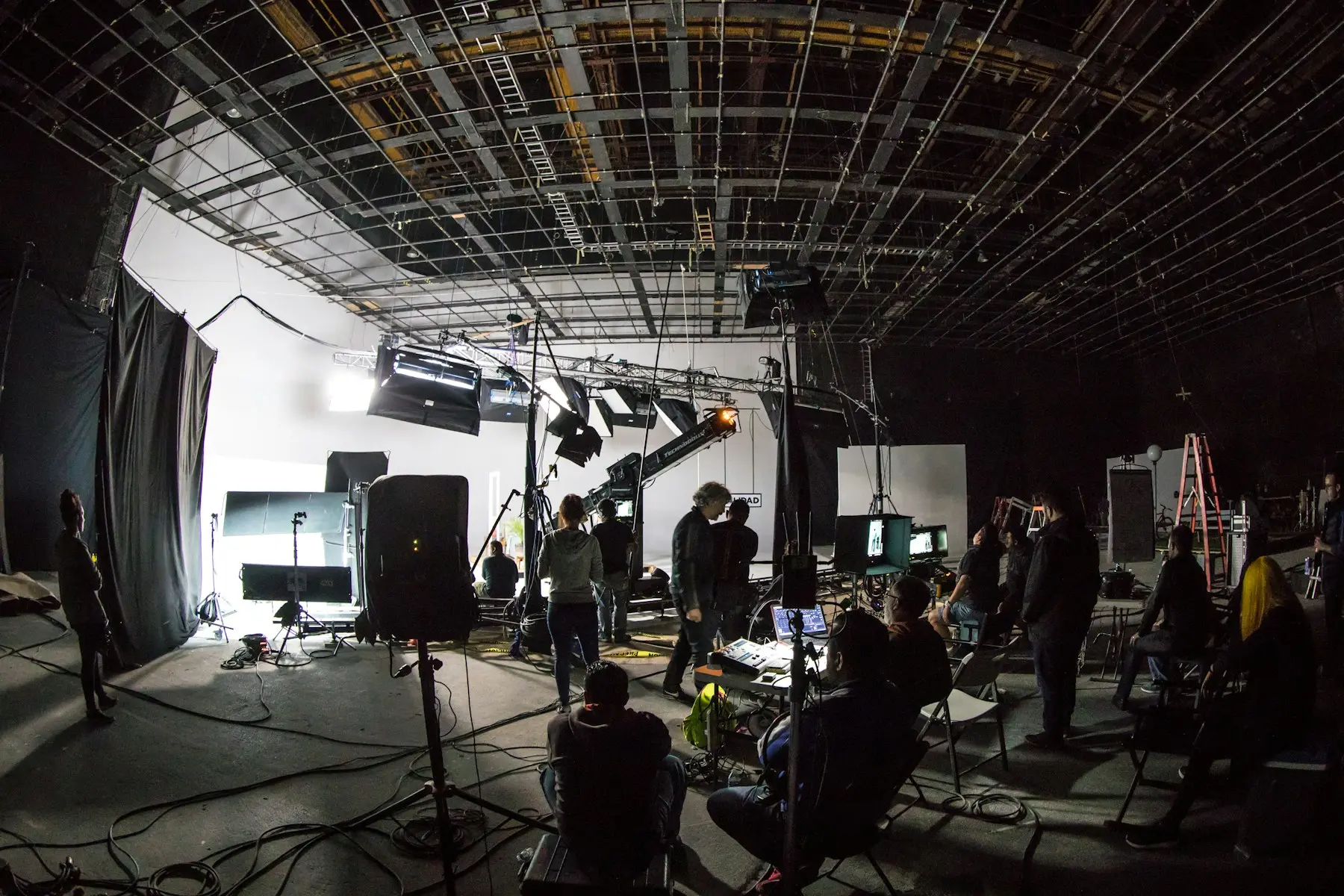
Science advisory for a major motion picture
Farabi worked as part of the science advisory team on a major Hollywood feature film adapted from a book. The production remains unnamed here, keeping the focus on the advisory process rather than disclosing confidential creative details.
Working alongside the editorial team, his role was to help the screen adaptation retain the source material’s scientific intelligence while becoming clear, dramatic and workable as a feature film.
From source material to screenplay
The process began with close reading of the original book. The team examined its scientific concepts, maps, spatial relationships and technical systems, identifying which elements were essential to the world, the plot and the audience’s understanding of events.
Each candidate idea was then tested for screen value: whether it could be communicated visually, whether it strengthened a character or story beat, and whether its underlying science could survive the move from prose into dialogue and action.
Designing for a three-hour story
A book can pause, explain and revisit an idea; a film cannot carry every layer of the source material. The advisory work therefore considered what could realistically fit within an approximately three-hour running time without interrupting pace or overwhelming the screenplay.
The aim was not to simplify the science until it became meaningless. It was to protect the internal logic, identify the minimum information the audience needed, and recommend where a scientific idea could be compressed, combined with another scene or expressed through production design rather than exposition.
Working with the editorial team and original author
Farabi contributed scientific interpretation within an editorial process, helping the team compare the book’s ideas with the evolving script. Questions were structured around what the science meant, how the maps and systems related to the story, and where the screenplay needed greater clarity or consistency.
The original author was part of that conversation. Proposed choices could therefore be checked against authorial intent before the editorial team shaped them into the final draft, balancing scientific credibility, narrative momentum and the practical demands of a major production.
Science in service of story
A science advisor does not write the film on behalf of the screenwriters. The value lies in turning research into usable creative options: explaining possibilities, identifying contradictions, testing consequences and giving the editorial team enough confidence to make informed story decisions.
That work placed Farabi at the intersection of science, publishing and motion-picture development—helping a complex imagined world travel from the page to the screen without losing the ideas that made it distinctive.
Advisory process
From the page.
Into the picture.
A visual companion to the confidential book-to-screen advisory process. These editorial images illustrate the professional production environment rather than the unnamed film itself.
Use the arrows, swipe, or choose a frame.
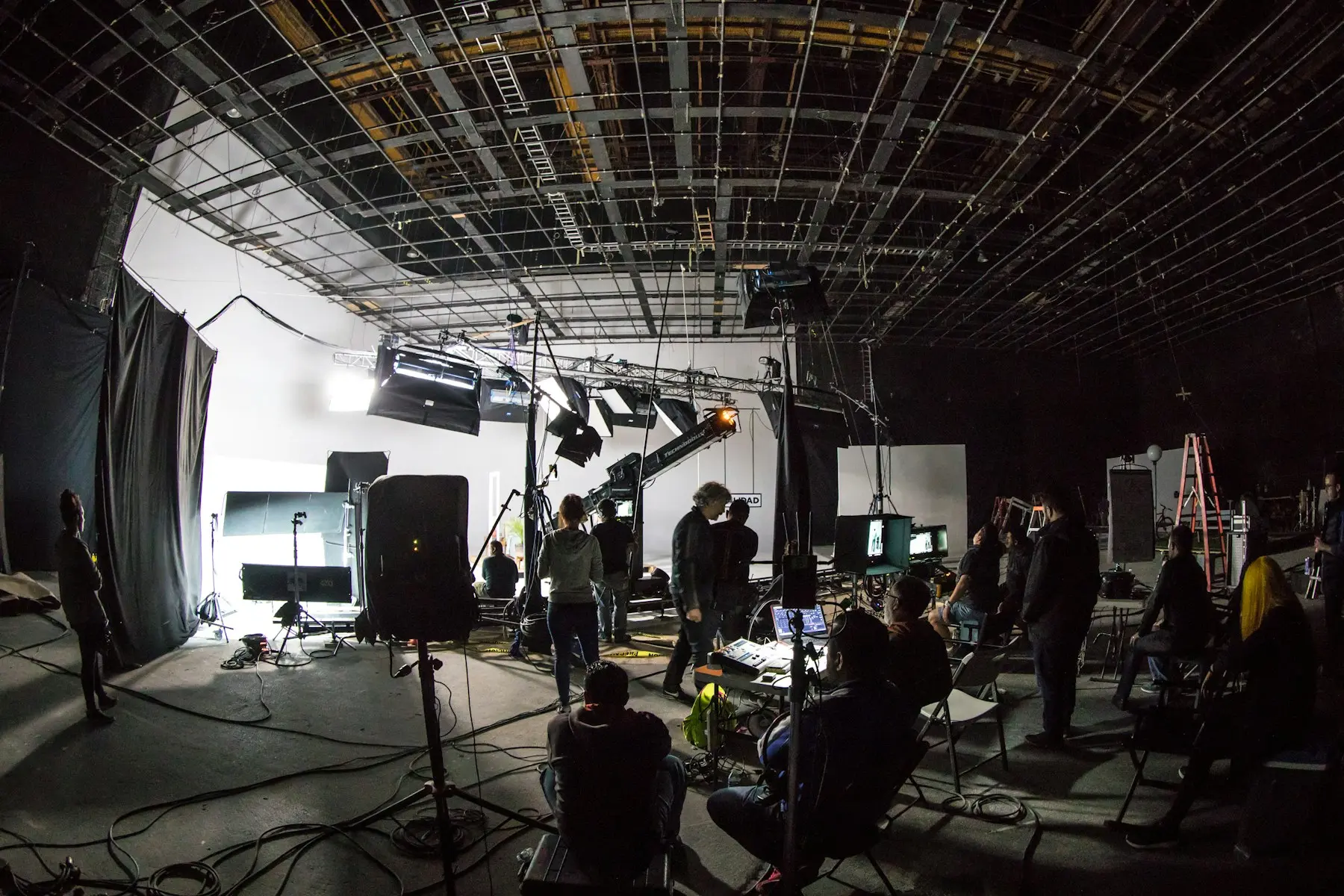
Production environmentA professional soundstage illustrating the scale and coordination behind major motion-picture production · Brands&People / Unsplash
Image 1 of 2: A professional soundstage illustrating the scale and coordination behind major motion-picture production · Brands&People / Unsplash